WebSockets vs Polling
Why Websocket over HTTP polling?
Real-time applications demand fast, efficient communication. While HTTP Polling was an early approach, WebSockets have become the preferred solution for handling real-time data.
The Problem with HTTP Polling
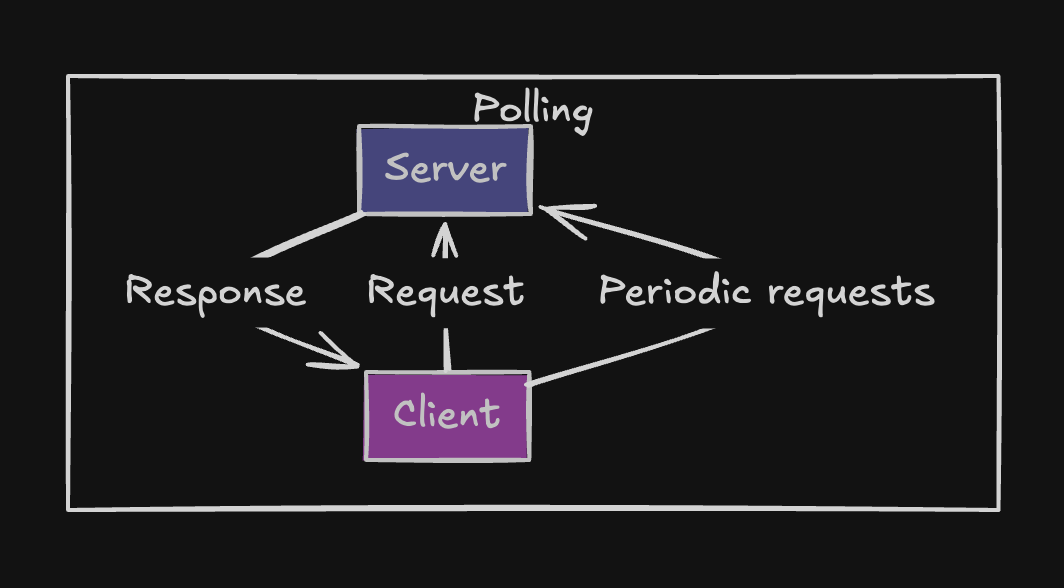
HTTP Polling works by making frequent requests to the server to check for new data. This approach has several downsides:
High Latency: Every request introduces a delay.
Increased Server Load: Servers must handle frequent requests, even when no updates are available.
Inefficient Bandwidth Usage: Constant requests lead to unnecessary network traffic.
The WebSocket Advantage
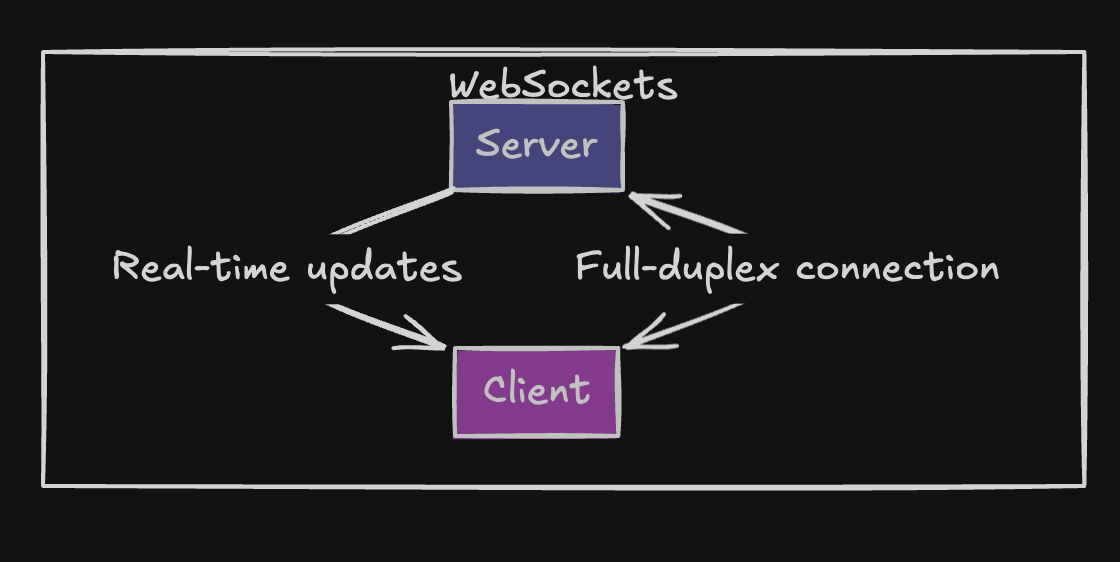
WebSockets offer a persistent, bi-directional connection between the client and the server, enabling real-time data exchange without repeated requests. Key benefits include:
Instant Data Transfer: No need to wait for request intervals.
Reduced Bandwidth Consumption: Only relevant data is transmitted.
Lower Server Overhead: A single connection replaces multiple HTTP requests.
When to Use WebSockets
Chat applications (e.g., WhatsApp, Slack)
Live notifications (e.g., stock market updates, sports scores)
Collaborative tools (e.g., Google Docs, multiplayer gaming)